

Acupuncture
Medical acupuncture for pain relief, stress support, and whole-body balance
Dr. John W. Jung provides medical acupuncture in Barrington, IL, blending Eastern technique with a Western clinical lens. Many patients find sessions surprisingly gentle—and often leave feeling calmer, looser, and more reset.

What medical acupuncture is
A natural way to support healing and calm the nervous system
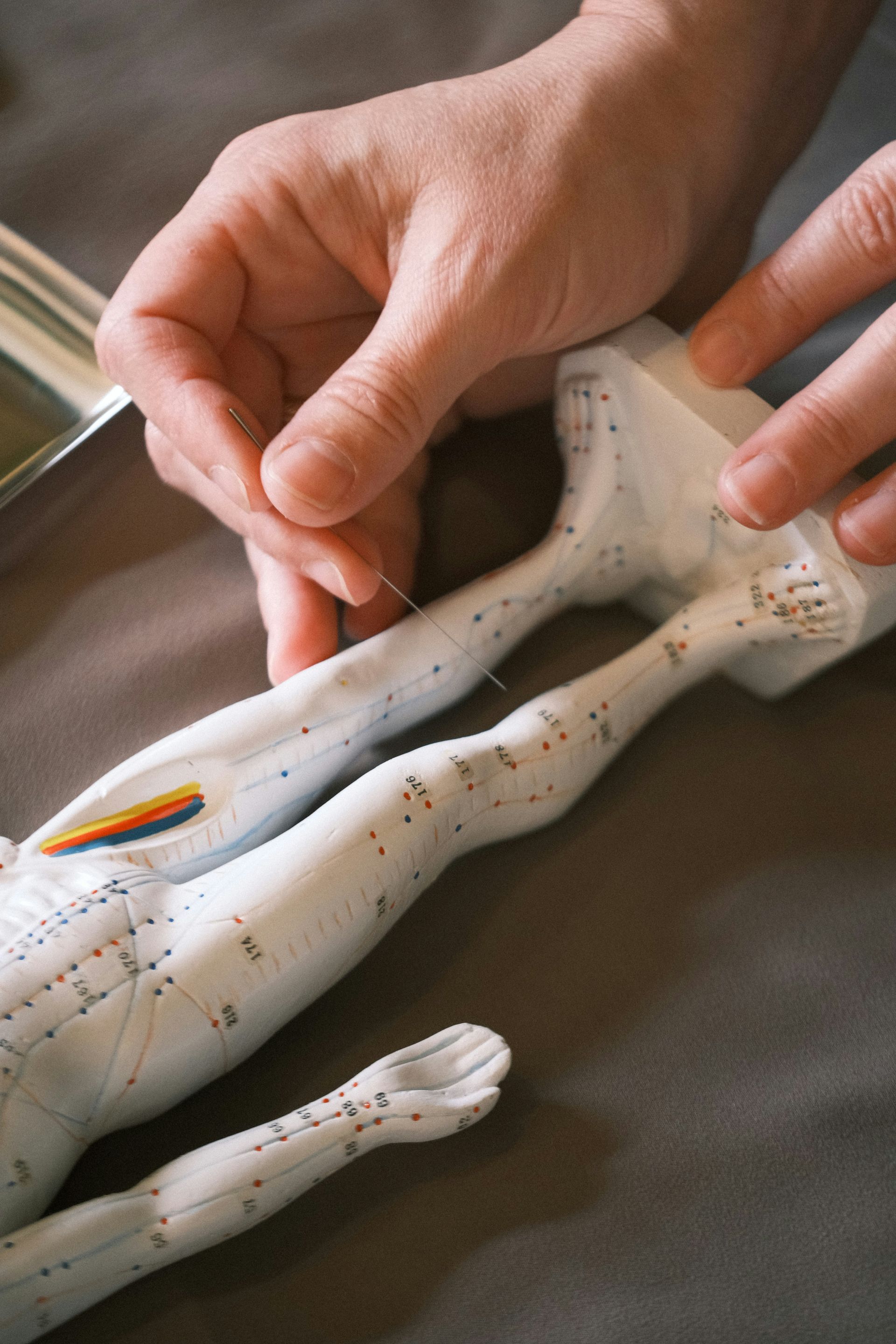
Acupuncture uses very fine, sterile needles placed at specific points to support circulation, reduce tension patterns, and help the nervous system shift out of “stuck” mode. Dr. Jung’s approach is medical acupuncture, backed by advanced training and a fellowship credential (FIAMA), so the care is designed to fit your symptoms, comfort level, and overall plan.
What acupuncture can help with
Support for both pain and stress-related symptoms
People often try acupuncture when symptoms keep returning, when stress is affecting the body, or when they want a non-invasive option alongside chiropractic and functional medicine care. Common reasons patients seek Barrington acupuncture therapy include:
- Back, neck, and shoulder pain
- Headaches and migraines
- Arthritis and joint discomfort
- Stress, anxiety, and nervous system tension
- Sleep issues and difficulty winding down
- Muscle tightness and recovery support
- Hormone-related shifts and cycle discomfort (case-by-case)
What it feels like
Gentle, relaxing, and always at your pace
If you’re nervous about needles, you’re not alone—most people are surprised by how little they feel, since acupuncture needles are much thinner than typical injection needles. You may notice a brief pinch, warmth, heaviness, or tingling at certain points, then a wave of relaxation as your body settles. You stay in control the entire time, and the goal is comfort-first—especially for first-time patients.
FAQs
Answers for patients considering acupuncture in Barrington
Does acupuncture hurt?
Most patients feel minimal discomfort, especially after the first few needles. The needles are extremely thin, and the sensation is usually brief—often described as a tiny pinch or light pressure. Many people relax during the session and feel calmer afterward. If you’re sensitive or anxious, the approach can be adjusted to keep things comfortable.
Does acupuncture help with chronic pain or anxiety?
Acupuncture is commonly used to support chronic pain patterns and stress-related symptoms by helping the nervous system regulate and reducing muscle tension. Some people notice changes quickly, while others need a series of visits to build momentum. It can also pair well with chiropractic care when pain involves both mobility and stress tension. The best starting point is your main symptom and what tends to trigger it.
What conditions can medical acupuncture treat?
Medical acupuncture is often used for pain conditions (back, neck, joint issues), headaches, stress tension, sleep disruption, and muscle tightness. It can also be included in wellness-focused plans when symptoms overlap and you want broader support. Your care plan will depend on your health history and how your body responds over time. If you’re unsure whether your symptoms are a fit, a consultation can help clarify next steps.
What’s the difference between dry needling and acupuncture?
Dry needling typically targets tight muscles and trigger points with a focus on local tissue tension. Acupuncture uses point selection based on broader patterns, often aiming to support circulation, nervous system balance, and whole-body regulation. In practice, both use thin needles, but the intent and point selection can differ. If you’re not sure which approach fits your goals, you can discuss your symptoms and preferences before starting.
How many acupuncture sessions will I need, and what should I expect?
Some people feel relief after one visit, while others do better with a short series—especially for long-standing symptoms. Your first visit focuses on understanding your goals and choosing a plan that feels realistic, not overwhelming. Sessions are typically calm and quiet, and you may feel relaxed or slightly tired afterward. As you progress, the plan can be adjusted based on what you notice in pain, sleep, stress, and day-to-day function.
Our Services
Working Hours
- Mon - Fri
- -
- Saturday
- -
- Sunday
- Closed