

Shockwave Therapy Barrington IL
Non-invasive acoustic wave therapy for stubborn pain and chronic injuries
Shockwave therapy uses targeted acoustic waves to stimulate healing in irritated soft tissue—often when pain has lingered for months. It’s fast, drug-free, and designed to help you get back to moving with less discomfort.
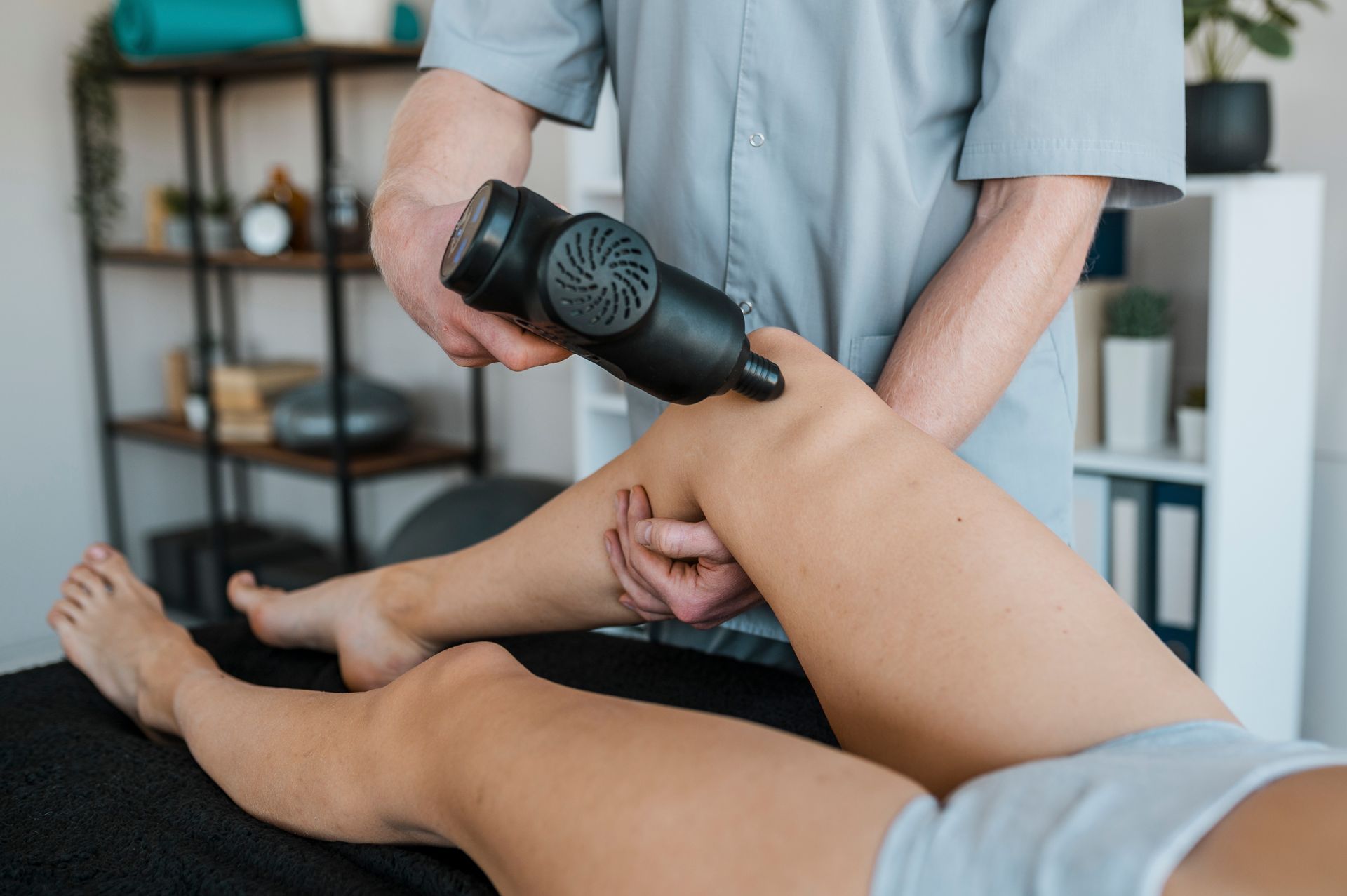
What shockwave therapy is
A modern way to restart stalled healing
Shockwave therapy (sometimes called acoustic wave therapy or EPAT) delivers focused pulses to injured or irritated tissue to encourage circulation and tissue repair. It’s commonly used for tendon and fascia problems where rest, stretching, or basic care hasn’t been enough. Sessions are typically brief, and there’s no cutting, needles, or anesthesia involved. Many people choose it because it targets the problem area directly and fits a busy schedule. Dr. Jung offers shockwave therapy in Barrington so patients don’t have to search for a separate sports medicine office. Your plan can also coordinate shockwave with chiropractic care or other supportive therapies when that makes sense for your case.
What it may help with
Common conditions treated with shockwave
People often consider shockwave therapy when pain is stubborn, recurring, or holding them back from walking, working out, or sleeping comfortably. It’s frequently used for soft-tissue issues such as:
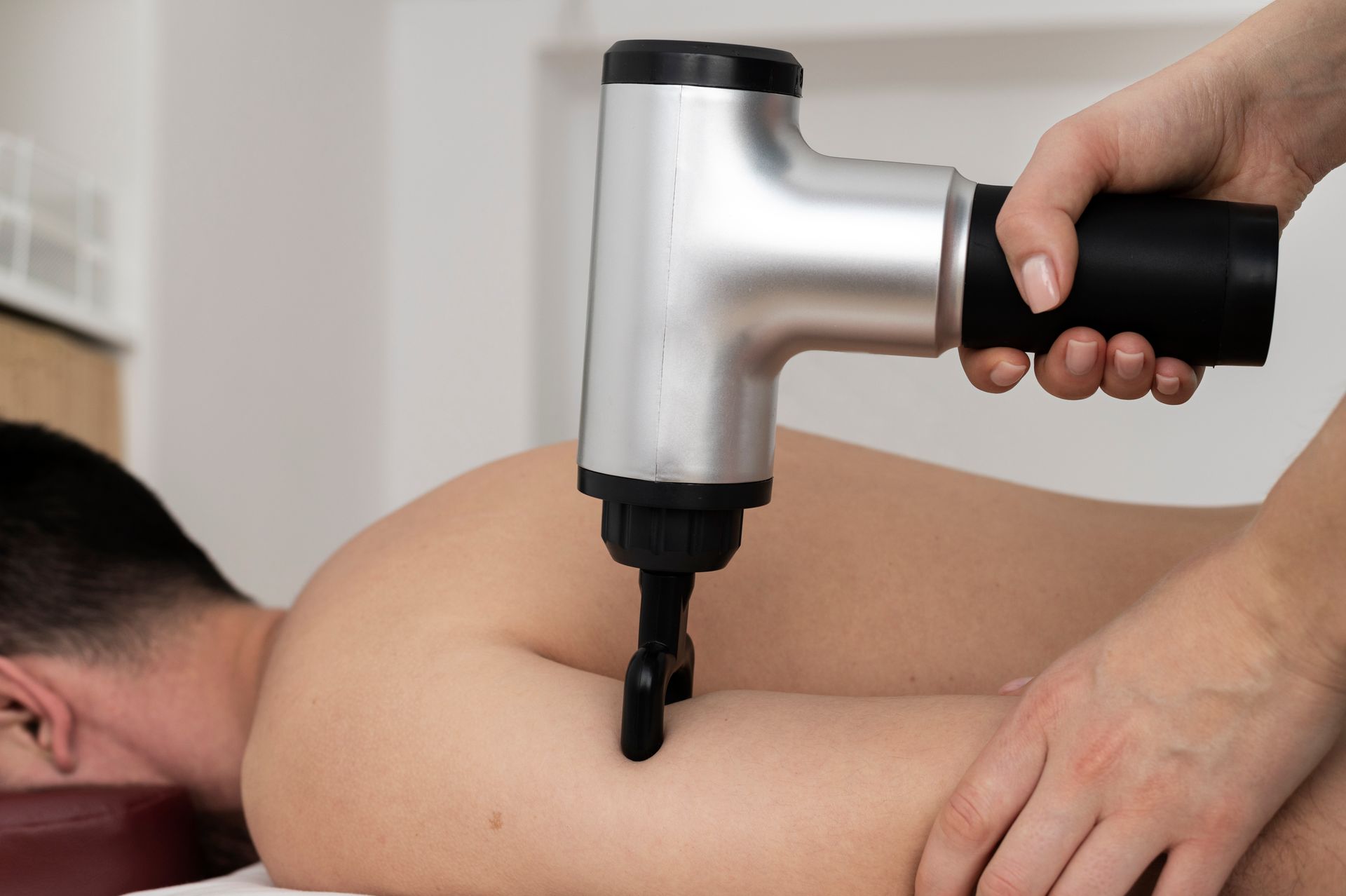
- Plantar fasciitis and heel pain
- Tennis elbow or golfer’s elbow
- Achilles or other tendon pain
- Shoulder tendinitis or stubborn tightness
- Chronic muscle knots and scar-tissue-like restriction
What to expect
Quick sessions, minimal downtime
During treatment, you’ll typically feel a tapping or pulsing sensation at the target area; intensity can be adjusted for comfort. Many patients return to normal activity quickly, though you may be advised to modify certain activities for a short period depending on the condition. Results can build over a series of visits, especially for long-standing pain. The goal is improved function and less day-to-day irritation, not just a temporary change. If you’re trying to avoid injections or surgery conversations, this can be a practical option to explore first.
FAQs
Questions about shockwave therapy near Barrington
What is shockwave therapy and does it work for chronic pain?
Shockwave therapy uses acoustic waves to stimulate circulation and encourage tissue recovery in irritated areas. It’s often used when pain has become persistent and hasn’t responded well to rest or basic care. Many people notice changes gradually over a series of sessions rather than instantly. Your response depends on the condition, how long it’s been present, and how consistently you follow the plan.
Can shockwave therapy help avoid surgery for tendon injuries?
In some cases, shockwave therapy is used as a non-invasive option before considering more aggressive interventions. It can be especially helpful for chronic tendon or fascia issues that haven’t improved with time alone. While nothing can guarantee a specific outcome, it may help you make progress without jumping straight to invasive steps. A consultation can help determine whether it fits your situation.
How long is a session and how many will I need?
Sessions are typically short, often in the 5–15 minute range depending on the area treated. Many plans involve a small series of visits so results can build over time. The exact number depends on the condition and how long it’s been present. Your plan should be based on measurable changes in function and pain, not guesswork.
Does shockwave therapy hurt?
Most people describe it as uncomfortable at times but tolerable, with a tapping or pulsing sensation. The intensity can be adjusted to keep treatment within your comfort range. Some areas are more sensitive than others, especially if tissue is very irritated. Many patients feel it becomes easier after the first visit.
What should I do after shockwave therapy?
You may be advised to keep activity reasonable for a short period, especially for tendon-related conditions. Most people can return to daily routines quickly, but high-impact activity may be modified depending on the goal. You’ll also get guidance on what to avoid so tissue has the best chance to respond. Follow-through matters—small changes can make results more consistent.
Our Services
Working Hours
- Mon - Fri
- -
- Saturday
- -
- Sunday
- Closed